
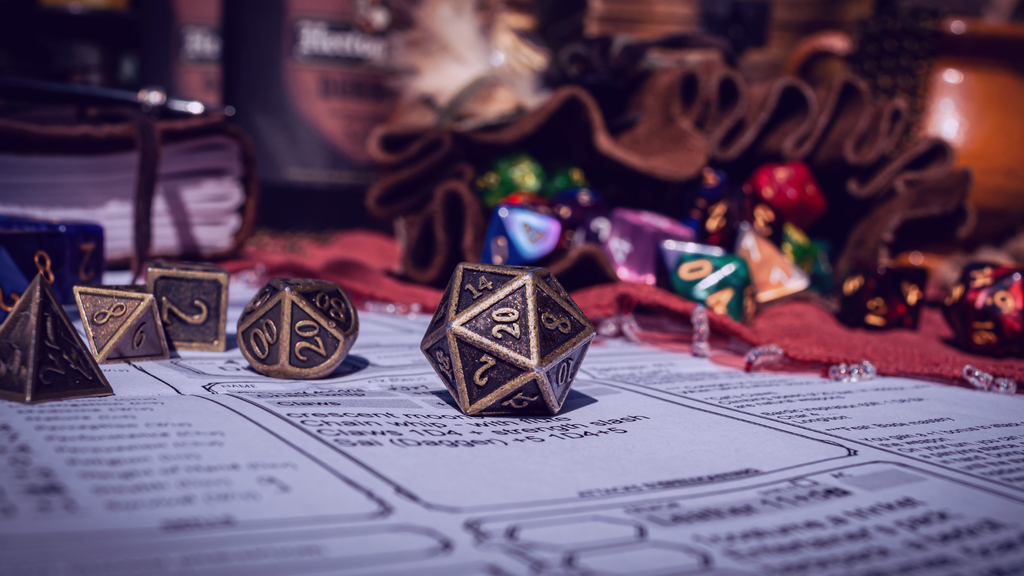
A band of heroes has approached a massive castle filled with many rooms, all full of wonder. The corridors are long, stretching out of sight, and time is of the essence. They know there is much to see and explore, and they’ve carefully planned their strategy for the journey ahead. They’ve gathered their tools, mapped their route, and equipped themselves to find valuable treasure.…
No, this isn’t just the beginning of a DnD campaign. It’s also what companies experience at major industry trade shows.
Exhibiting at a large industry event is a significant undertaking. Between booth space, travel, staffing, displays, demonstrations, and promotional materials, sales and marketing teams put considerable time and resources into their company’s trade show presence. They plan everything around the ultimate goal of attracting new prospects, generating leads, and building valuable connections.
But there’s another hidden treasure at these events that companies sometimes overlook: media coverage.
Don’t Overlook the Hidden Treasure
While potential customers walk the show floor, so do editors from industry trade publications and news outlets read by the very decision-makers your company hopes to reach. These editors are looking for new technologies, industry insights, and compelling stories to share with their readers, which creates a major opportunity for your company to share its expertise and perspectives with a much larger audience.
But editors aren’t just going to wander into your booth to see what you have to offer. With thousands of exhibitors all competing for attention, attracting the right editors, developing a compelling story, and securing time with them requires a strategic approach.
This is where a seasoned public relations (PR) firm can serve as your guide, helping you uncover this often-overlooked trade show treasure.
Here are four tips for building media coverage into your trade show strategy, and how an experienced PR partner can help you navigate each step of the journey.
- Don’t Get Lost in the Labyrinth
It may be a story from antiquity, but the legend of the labyrinth lives on at today’s trade shows.
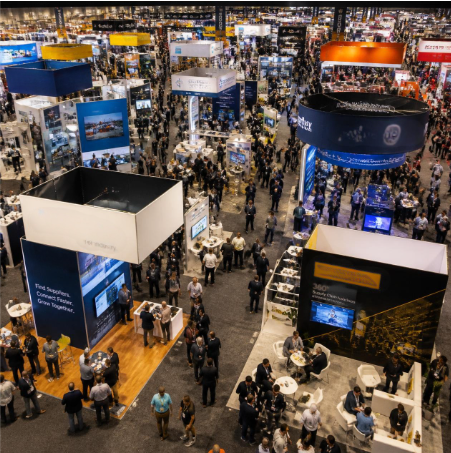
Expansive exhibit halls. Crowded aisles. Hundreds of vendors showcasing their latest products and technologies. For editors, navigating the floor is no easy task. Their schedules fill up quickly, and they have limited time to visit exhibitors and conduct interviews.
Simply having a booth isn’t enough. You need to give editors a reason to find you. A good PR strategy starts by identifying what makes your company worth seeking out. Rather than trying to promote everything you do, focus on a specific story, announcement, technology, or industry insight that will interest the publications and audiences you want to reach.
Remember, editors are constantly bombarded with pitches. A focused, timely pitch is far more likely to capture attention than a generic invitation to “stop by the booth.” An experienced PR partner can help craft messaging around your trade show presence that gives editors a compelling reason to seek you out and hear what you have to say.
- Choose Your Targets Early and Wisely
Once you know what story to tell, it’s time to identify the right people to tell it to. This is where thorough and early preparation can make all the difference.
Trade show exhibitors are often provided with a pre-registered media list a month or two before an event. But waiting until that list arrives can mean competing for already-limited interview slots. Early communication is key, because in some cases, the vendors are outnumbering editors by a staggering 10-1 ratio.
A good PR guide can help you get on the radar well before then.
Your PR partner can research previous years’ media lists, publication websites, and editorial calendars to identify relevant editors and reporters well in advance. From there, they’ll help you develop customized pitches tailored to those targets.
When the official media list arrives, you’ll already have a head start. You can cross-reference your research, refine your targets, and get outreach underway before editors’ inboxes become a sea of competing trade show pitches.
- Let the Ravens Fly
You’ve developed your story, and you’ve identified your targets. Now it’s time to get the message out.
The earlier you engage editors, the better your chances of securing a meeting or interview during the show. Editors are working against their own deadlines and juggling packed schedules, so offering a specific topic and a convenient time slot can make it much easier for them to say yes.
And don’t overlook media opportunities that happen before the show floor even opens. Many trade publications publish pre-show coverage highlighting exhibitors, new products, and what attendees should look for at the event. Getting your news and information in front of editors early can get you coverage before the show begins and give readers a reason to seek you out once they arrive.
Major trade shows may also offer daily newsletters, show publications, or online exhibitor news portals that provide additional opportunities to reach attendees. Submitting information as early as possible can increase your chances of being included and help build awareness before visitors even reach your booth.
- Finish the Hunt
You’ve nailed the perfect topic. You’ve lined up interviews. You’re ready to go.
But even the best-laid plans can go awry.
An editor may get pulled into another meeting. A scheduled interview may run long. Traffic across the show floor might cause delays. Suddenly, the eight media meetings you planned have turned into five.
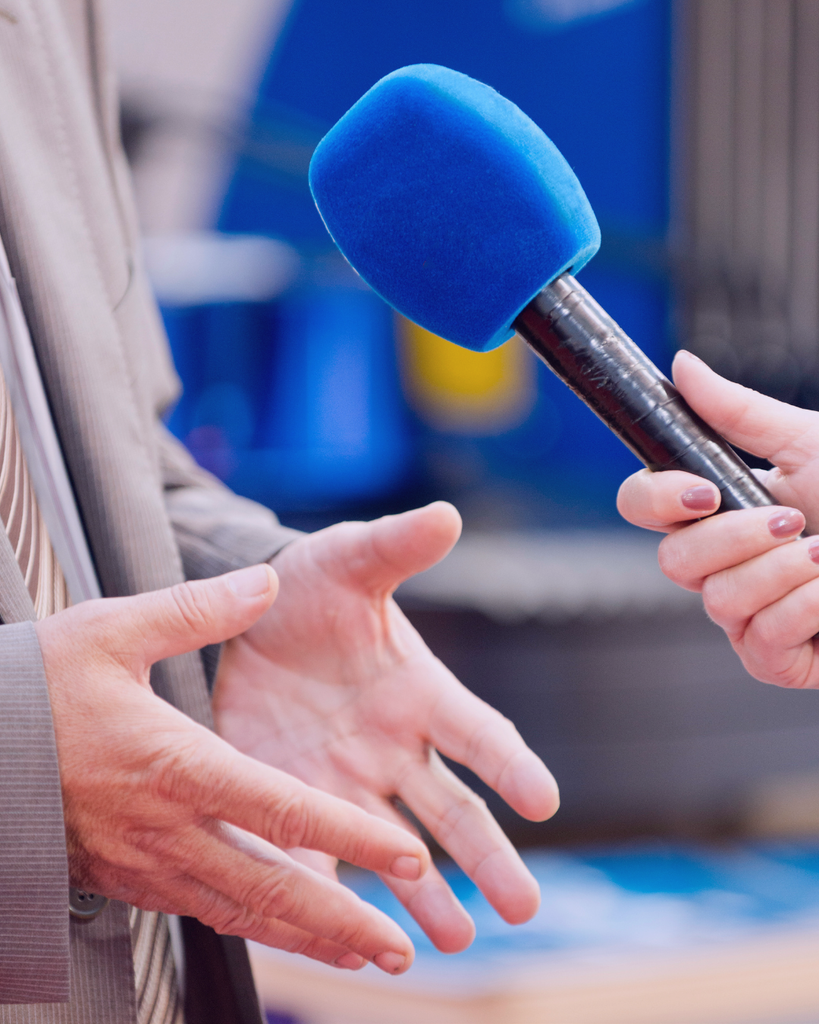
This is why having a PR partner on-site during the show can make a major difference. They’ll help keep media meetings on schedule, tracking down editors and reporters to make sure they get to your booth for their scheduled interviews.
An on-site PR partner can also help you stay flexible. They’ll monitor opportunities as they arise and engage with editors who may not have been on the original schedule. An editor who happens to walk by the booth could become an impromptu interview, and a last-minute opening in a reporter’s schedule could become an opportunity for a conversation.
And the hunt doesn’t have to end when the trade show does. Follow-ups are one of the most important yet overlooked parts of trade show media relations. If an editor was interested but couldn’t make it to your booth, reach out after the show and schedule a virtual interview. You can also follow up with editors you connected with at the show to provide additional information, share relevant resources, or continue the conversation.
An experienced PR pro will know how to conduct engaging follow-ups that turn a missed meeting into media coverage and a one-time interaction into an ongoing relationship.
Don’t Go it Alone
Trade shows are massive investments, and companies work hard to make those investments pay off. Media coverage can help you maximize ROI, extending your reach beyond the event itself and putting your brand in front of a much larger audience.
The challenge is finding that media treasure in a crowded, constantly moving environment. You can try to navigate the labyrinth alone. Or, you can bring a guide who knows the terrain, understands where the opportunities are hiding, and can help you build a strong strategy before, during, and after the show.
With hundreds of exhibitors competing for attention, don’t leave your media opportunities up to a roll of the dice.
Talk to DPR today to learn how we can help you uncover more opportunities at your next trade show!